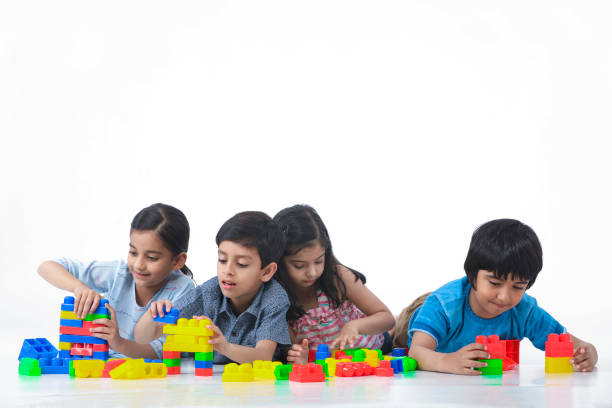
The landscape of education is undergoing a dynamic transformation, driven by the need to adapt to a rapidly changing world. As traditional models give way to more flexible and engaging approaches, creating an innovative learning environment has become paramount. This involves integrating technology, encouraging collaboration, and fostering creativity to prepare learners for future challenges. This article explores key strategies in cultivating such environments, emphasizing the significance of adaptable and personalized educational experiences. Find out more about this approach.
Key Components of an Innovative Learning Environment
Technology Integration
Incorporating technology into the classroom is no longer optional”?it’s essential. This integration can take many forms, from interactive whiteboards to online learning platforms. Technology not only enhances learning experiences but also prepares students for a digital future. Consider the following benefits:
- Access to a vast array of resources and information.
- Facilitation of personalized learning experiences.
- Promotion of collaboration through digital tools.
Explore advanced guides and tips on integrating technology effectively in classrooms here.
Collaboration and Teamwork
A collaborative learning environment encourages students to work together towards common goals. This approach not only fosters communication skills but also prepares students for real-world scenarios. Key elements include:
- Group projects and activities that require cooperation.
- Peer-to-peer teaching opportunities.
- Encouraging diverse perspectives and problem-solving methods.
Discover expert strategies here for fostering collaboration in educational settings.
Encouraging Creativity and Critical Thinking
Creativity and critical thinking are invaluable skills in today’s world. An innovative learning environment should prioritize these aspects by:
- Integrating arts and creative subjects into the curriculum.
- Encouraging open-ended questions and explorative learning.
- Providing opportunities for students to engage in critical analysis and discussion.
Learn about tailored solutions for enhancing creativity in educational environments here.
Creating a Flexible and Adaptable Learning Space
Today’s learning environments must be adaptable to various teaching methods and learning styles. Consider:
- Flexible seating arrangements that can be reconfigured easily.
- Spaces that can accommodate both individual and group work.
- Incorporating outdoor and non-traditional learning spaces.
Explore advanced guides and tips on designing flexible learning environments here.
Conclusion
Creating an innovative learning environment involves more than just integrating technology; it requires a holistic approach that includes collaboration, creativity, and adaptability. By focusing on these areas, educators can cultivate spaces that are not only conducive to learning but are also engaging and inspiring. To stay ahead in this evolving educational landscape, it is crucial to continually adapt and embrace new strategies. Learn about our tailored solutions for fostering such environments.