The human gut microbiome is a vast and complex ecosystem of trillions of microorganisms residing in the digestive tract. This intricate community plays a crucial role in various bodily functions, from digestion and nutrient absorption to immune system support. Despite its significance, the gut microbiome remains a mysterious entity to many. However, recent scientific advancements have begun to unlock the secrets of this microbial world, shedding light on its profound impact on human health.
Understanding the Gut Microbiome
The gut microbiome consists of bacteria, viruses, fungi, and other microorganisms. Each individual harbors a unique microbial makeup that is influenced by a variety of factors, including diet, environment, and genetics. These microbes not only aid in breaking down food but also contribute to the synthesis of essential vitamins and amino acids.
The Role of the Microbiome in Health
The gut microbiome is instrumental in maintaining overall health. Here are some key functions:
- Digestive Health: Microbes assist in breaking down complex carbohydrates and fibers, releasing nutrients that the body can absorb.
- Immune System Support: A balanced microbiome helps protect against pathogens by enhancing the body’s immune response.
- Mental Well-being: The gut-brain axis highlights the connection between gut health and mental health, influencing mood and cognitive function.
- Metabolic Regulation: Microbial diversity is linked to metabolic processes, affecting weight management and energy production.
Factors Influencing Microbiome Composition
Several factors can alter the composition and diversity of the gut microbiome:
- Diet: A diet rich in fiber, fruits, and vegetables promotes a healthier microbiome. Conversely, high-fat and high-sugar diets can disrupt microbial balance.
- Antibiotics: While effective in combating bacterial infections, antibiotics can also reduce beneficial bacteria, leading to imbalances.
- Lifestyle: Stress, sleep patterns, and physical activity can all impact microbial diversity.
- Age and Genetics: These intrinsic factors also play a role in shaping the microbiome.
Improving Gut Microbiome Health
Maintaining a healthy gut microbiome is vital for overall well-being. Here are some strategies to support a balanced microbial community:
- Consume Probiotics: Foods like yogurt, kefir, and fermented vegetables are rich in probiotics, which can help replenish beneficial bacteria.
- Increase Fiber Intake: Dietary fibers found in whole grains, legumes, fruits, and vegetables serve as prebiotics, fueling beneficial microbes.
- Limit Processed Foods: Reducing the intake of processed and high-sugar foods can prevent microbial imbalance.
- Stay Hydrated: Adequate water intake supports the mucosal lining of the intestines and the balance of good bacteria.
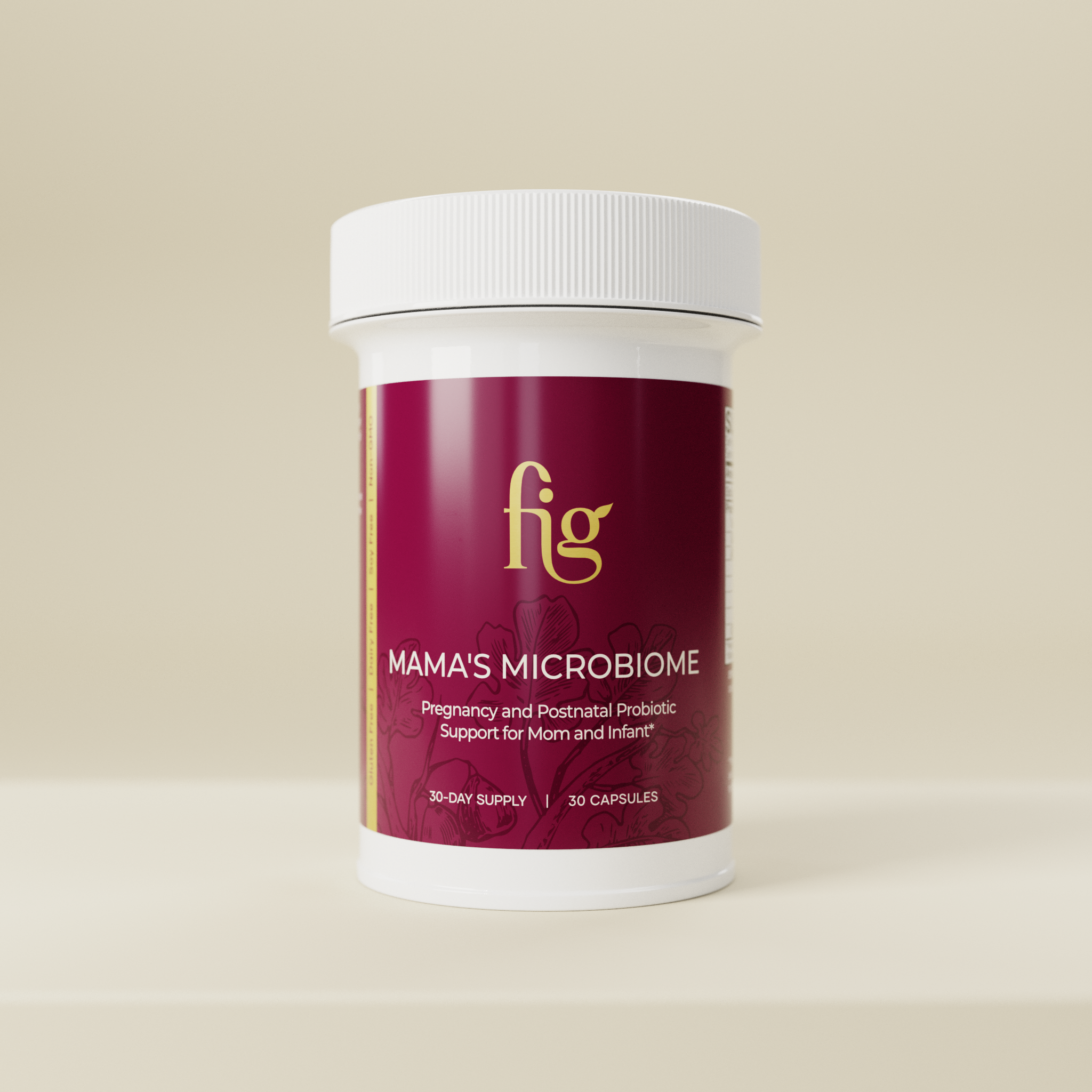
- Consider Supplements: In some cases, supplements like Microbiome health products can support gut health, especially for those with specific dietary restrictions or health conditions.
The Future of Microbiome Research
The study of the microbiome is an ever-evolving field, with ongoing research exploring its potential to revolutionize health care. Future advancements may lead to:
- Personalized Nutrition: Tailoring diets based on individual microbiome profiles to optimize health outcomes.
- Microbiome-Based Therapies: Developing treatments targeting specific microbial imbalances to address various health conditions.
- Enhanced Understanding of Disease Mechanisms: Investigating the links between microbiome alterations and diseases such as obesity, diabetes, and inflammatory bowel disease.
Continued exploration into the gut microbiome promises to uncover new insights into human health and disease prevention, offering a new frontier in wellness and medical science. As research progresses, the potential for microbiome-based interventions to enhance health outcomes becomes increasingly promising.