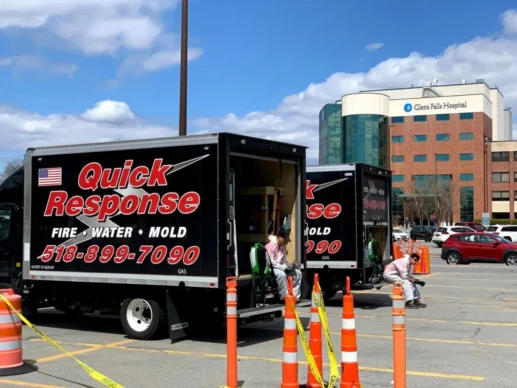
Floods can strike unexpectedly, causing significant damage to properties and leaving communities in distress. Swift and effective flood damage cleanup is essential to mitigate long-term consequences and ensure the safety and health of affected individuals. This article outlines strategic approaches to flood damage cleanup, providing a structured guide for those facing such crises. The focus will be on immediate actions, safety precautions, and long-term recovery strategies that can be implemented effectively.
Immediate Actions Post-Flooding
As soon as it is safe to do so, the following steps should be prioritized to minimize further damage:
- Turn off electricity and gas to avoid potential hazards.
- Document the damage with photographs for insurance claims.
- Remove floodwater using pumps or wet vacuums.
- Dry out the premises with fans and dehumidifiers to prevent mold growth.
For detailed procedures and further insights on immediate post-flood actions, read more about this topic.
Safety Precautions During Cleanup
Personal Safety Measures
Ensuring personal safety during cleanup is paramount. Consider the following measures:
- Wear protective gear such as gloves, boots, and masks to avoid contact with contaminated water.
- Be cautious of structural damage like weakened floors or walls.
- Avoid direct contact with floodwater, as it may contain hazardous substances.
To understand more about maintaining safety during flood cleanup operations, learn more in this detailed guide.
Environmental Safety Considerations
Environmental safety is also crucial to avoid secondary disasters:
- Ensure proper disposal of debris and damaged materials.
- Sanitize affected areas to eliminate bacteria and mold spores.
- Monitor air quality and address any issues promptly to prevent respiratory problems.
Explore further insights on environmental safety during flood cleanup here.
Long-Term Recovery Strategies
After addressing the immediate hazards, focus should shift to long-term recovery plans:
- Assess structural integrity and plan necessary repairs or renovations.
- Implement measures to enhance flood resilience, such as improved drainage systems.
- Engage with professional services for comprehensive restoration and mold remediation.
Find additional information on long-term flood recovery strategies here.
Conclusion
Flood damage cleanup requires a strategic approach that encompasses immediate action, safety considerations, and long-term planning. By following these structured strategies, individuals and communities can effectively navigate the challenges posed by flooding, ensuring safety and facilitating recovery. For those seeking further guidance and resources, numerous detailed guides and insights are available to aid in this critical process.