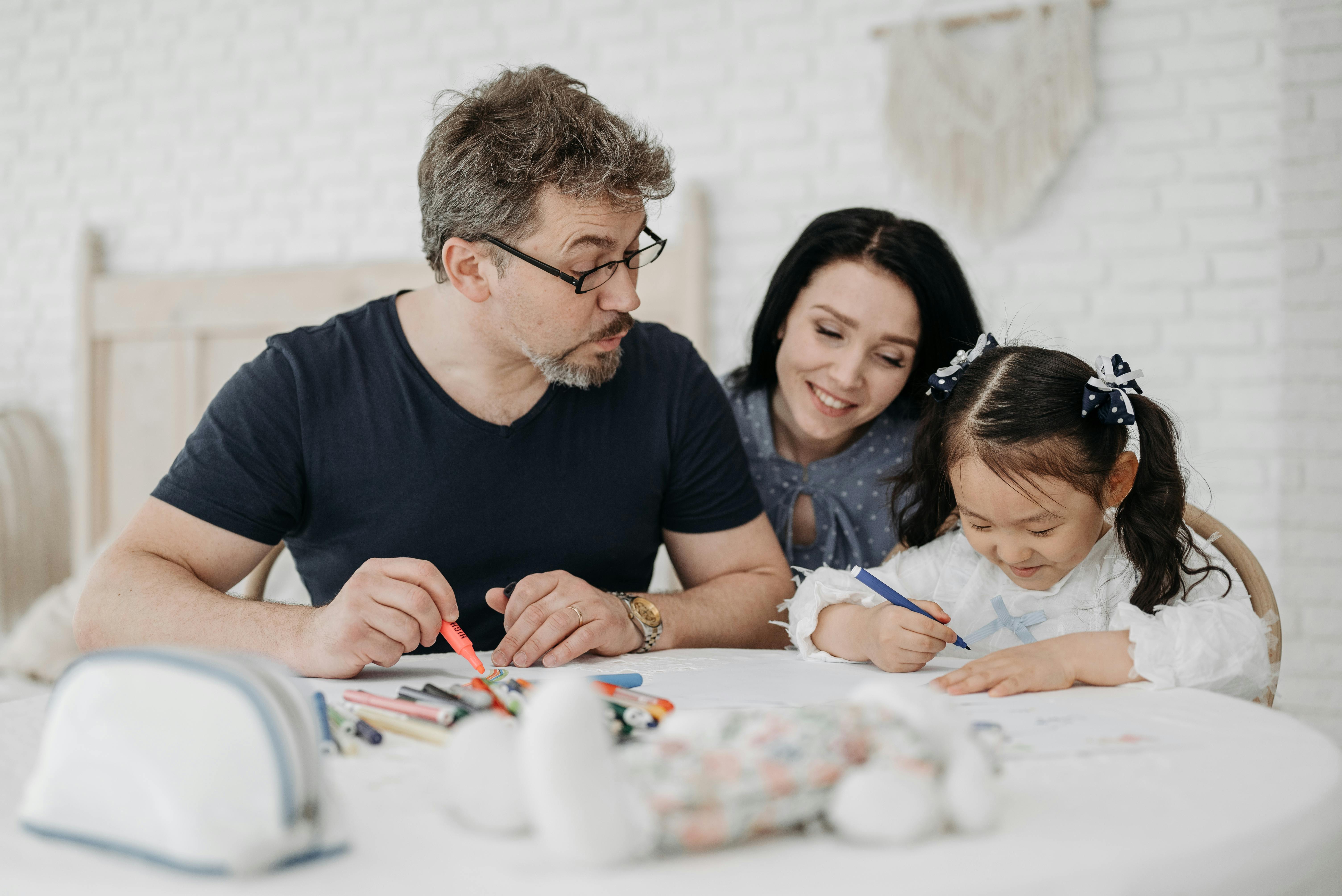
Divorce is often a challenging and emotionally charged process that can become even more complex when children are involved. In Vancouver, co-parenting through divorce requires careful navigation to ensure that the needs of the children are prioritized while both parents strive to maintain a functional relationship. The goal is to foster an environment where children can thrive despite the changes in their family dynamics. This article offers insights and strategies for effective co-parenting during and after divorce, aiming to support families in transition.
Understanding Co-Parenting
Co-parenting is a collaborative effort between divorced or separated parents to raise their children jointly. It requires a commitment to open communication and mutual respect. The focus is on the well-being of the children, ensuring they receive consistent love and support from both parents. In Vancouver, co-parenting arrangements can vary significantly, but the underlying principles remain constant.
Key Components of Successful Co-Parenting
- Communication: Establish clear and respectful communication channels to discuss the children’s needs, schedules, and any concerns.
- Consistency: Maintain consistent routines and rules across both households to provide stability for the children.
- Flexibility: Be open to adjusting arrangements as needed to accommodate each other’s schedules and the children’s changing needs.
- Conflict Resolution: Address disagreements privately and constructively without involving the children.
Challenges in Co-Parenting
Despite the best intentions, co-parenting can present several challenges. Differences in parenting styles, unresolved emotional conflicts, and logistical issues can all create tension. Parents may find themselves struggling to balance their own emotional needs with the demands of co-parenting.
Strategies to Overcome Co-Parenting Challenges
- Seek co-parenting through divorce support from professionals who can offer guidance and mediation.
- Consider divorce counselling Vancouver to help manage personal emotions and improve communication skills.
- Develop a detailed parenting plan that outlines responsibilities, schedules, and decision-making processes.
- Regularly revisit and adjust the co-parenting plan as children grow and circumstances change.
Legal Considerations in Vancouver
In Vancouver, legal frameworks support co-parenting arrangements. It is essential to understand the legal obligations and rights of each parent. Having a well-drafted parenting agreement can provide clarity and prevent conflicts. Consulting with a legal professional who specializes in family law can be beneficial to ensure that the co-parenting plan complies with local regulations.
Benefits of a Legal Framework
- Provides a structured approach to co-parenting.
- Ensures both parents understand their rights and responsibilities.
- Offers a mechanism for resolving disputes.
- Helps protect the best interests of the children involved.
Emotional Considerations for Parents and Children
Emotional well-being is a crucial aspect of successful co-parenting. Parents must take care of their mental health to effectively support their children through the transition. Children, too, need reassurance and stability to adjust to the new family dynamics.
Supporting Emotional Health
- Encourage open discussions about feelings and concerns with children.
- Provide reassurance and emphasize the unconditional love from both parents.
- Engage in activities that promote emotional bonding and security.
- Consider professional support for children who are struggling to cope.
In conclusion, navigating co-parenting through divorce in Vancouver demands patience, understanding, and a commitment to the children’s well-being. Parents can foster a positive environment for their children by focusing on effective communication, flexibility, and emotional support. Utilizing available resources, such as counseling and legal advice, can further facilitate a smoother transition for all family members involved.