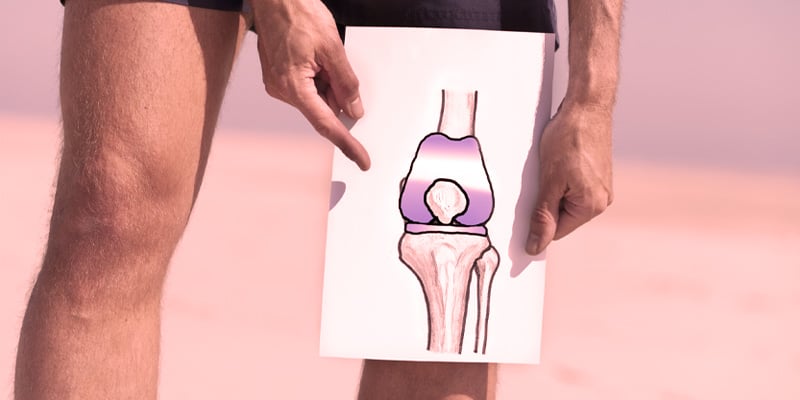
Knee pain is a common ailment that affects millions of people worldwide. While surgery is often considered a definitive solution for severe cases, many individuals are keen to explore non-invasive methods to manage their discomfort. Fortunately, there are numerous natural approaches that can alleviate knee pain effectively. These methods not only help in reducing pain but also improve mobility and quality of life. By understanding and employing these natural strategies, individuals can often delay or entirely avoid surgical interventions.
Understanding Knee Pain
Knee pain can arise from a variety of causes, including arthritis, injuries, or even overuse. Understanding the root cause is crucial in selecting the most appropriate management strategy. While consulting with a healthcare professional is advised, there are general natural approaches that can be beneficial for most individuals suffering from knee pain.
Natural Methods for Managing Knee Pain
Exercise and Physical Therapy
Regular physical activity is essential for joint health. Exercise helps strengthen the muscles around the knee, improving stability and reducing the strain on the joint. Consider the following activities:
- Low-impact exercises like swimming or cycling.
- Stretching routines to improve flexibility.
- Strength training exercises focused on the quadriceps and hamstrings.
Working with a physical therapist can provide a structured exercise regimen tailored to individual needs, significantly improving outcomes.
Weight Management
Maintaining a healthy weight is critical for reducing knee pain. Excess weight places additional pressure on the knees, exacerbating pain and increasing the risk of injury. Strategies for effective weight management include:
- Following a balanced diet rich in nutrients.
- Incorporating regular physical activity.
- Monitoring caloric intake to maintain a healthy body weight.
Dietary Supplements and Anti-Inflammatory Diet
Certain supplements and dietary adjustments can support joint health and reduce inflammation:
- Glucosamine and chondroitin may help reduce pain and improve joint function.
- Omega-3 fatty acids, found in fish oil, have anti-inflammatory properties.
- Incorporate anti-inflammatory foods like leafy greens, berries, and nuts.
Consulting with a healthcare provider before starting any supplement regimen is advisable to ensure safety and efficacy.
Alternative Therapies
Several alternative therapies have been shown to provide relief for those suffering from knee pain:
- Knee replacement alternative options such as genicular artery embolization.
- Acupuncture, which can help reduce pain by improving energy flow.
- Massage therapy to relieve muscle tension and improve circulation.
Lifestyle Modifications
Footwear and Orthotics
Wearing appropriate footwear can significantly impact knee health. Supportive shoes and custom orthotics can help align the feet and legs properly, reducing undue stress on the knee joint.
Heat and Cold Therapy
Applying heat or cold packs can offer immediate relief from knee pain. Heat therapy aids in relaxing muscles and improving circulation, while cold therapy helps reduce swelling and numbs sharp pain.
Conclusion
Natural methods for managing knee pain provide a viable alternative for those looking to avoid surgery. By incorporating lifestyle changes, exercise, dietary adjustments, and alternative therapies, it is possible to manage pain effectively and improve overall joint health. While these methods can be beneficial, it is always recommended to seek guidance from healthcare professionals to tailor a plan that best suits individual health needs and conditions.