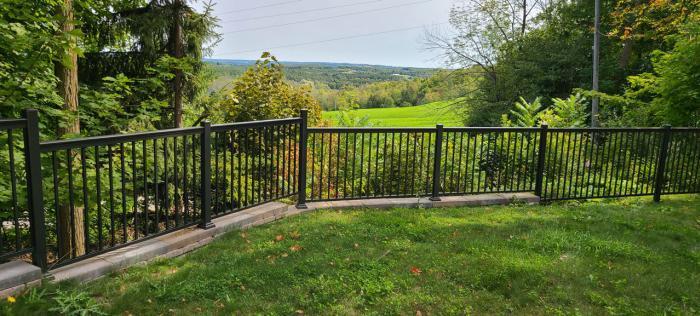
Choosing an aluminum fence offers a blend of durability, low maintenance, and modern aesthetics that many homeowners and property managers seek. However, achieving a long-lasting, visually appealing result depends heavily on proper installation techniques and thoughtful planning. This guide outlines essential steps, material considerations, and finishing tips that ensure an aluminum fence not only stands up to the elements but also enhances the overall look of any property.
Planning Your Aluminum Fence Project
Assess Site Conditions
- Measure the perimeter accurately; include any corners, gates, and setbacks required by local codes.
- Identify soil type and drainage patterns, sandy soils may need deeper footings, while clay can retain moisture that affects post stability.
- Check for underground utilities before digging to avoid costly interruptions.
Select the Right Fence Style
Aluminum fences come in a variety of designs, from sleek contemporary panels to classic ornamental patterns. Consider the architectural style of the property and the desired level of privacy. For a cohesive look, pair the fence with matching aluminum gate installation to create a seamless entrance.
Preparing the Installation Area
Gather Tools and Materials
- Post brackets, concrete mix, and anchor bolts
- Level, string line, and measuring tape
- Drill with masonry bits, impact driver, and safety gear
Mark Post Locations
Use a string line stretched between the first and last post locations to maintain a straight line. Place markers at the exact spacing recommended by the fence manufacturer, typically 6 to 8 feet apart. This step is crucial for a uniform appearance and structural integrity.
Installing Fence Posts
Digging Post Holes
- Depth: Minimum 24 inches for residential fences; deeper for high-wind zones.
- Diameter: At least three times the post width to allow proper concrete coverage.
- Tip: Add a few inches of gravel at the base for drainage.
Securing Posts with Concrete
Place the post in the hole, ensure it is plumb with a level, and brace it with temporary supports. Pour concrete around the post, tapering the mixture away from the post to direct water runoff. Allow the concrete to cure for at least 24-48 hours before attaching panels.
Attaching Fence Panels and Rails
Use Proper Brackets
Aluminum fences typically employ slide-in or bolt-on brackets. Align the brackets with the pre-drilled holes in the posts, then secure them with stainless-steel bolts to prevent corrosion.
Panel Installation Sequence
- Start at one corner and work toward the opposite end.
- Check alignment after each panel to avoid cumulative drift.
- Leave a slight gap (about 1/8 inch) between panels to accommodate thermal expansion.
Finishing Touches for Longevity and Style
Protective Coatings
Most aluminum fences come powder-coated, but an additional clear sealant can enhance resistance to UV rays and salt spray, especially in coastal areas.
Maintenance Tips
- Clean the surface annually with mild soap and water; avoid abrasive cleaners that can scratch the coating.
- Inspect fasteners and brackets for looseness; tighten as needed.
- Touch up any chips in the coating promptly to prevent corrosion.
Integrating Gates and Accessories
A well-designed gate is the focal point of any fence system. Choose a gate that matches the fence profile and includes sturdy hardware such as self-closing hinges and a secure latch. For seamless integration, reference professional aluminum fence and gates solutions that offer a range of customizable options.
Compliance and Safety Considerations
- Verify local building codes for height restrictions and required setbacks.
- Ensure gate clearances meet accessibility standards when needed.
- Install post caps or decorative finials to protect the top of each post from moisture infiltration.
Conclusion
When executed with precision, aluminum fence installation delivers a resilient barrier that enhances security, defines property boundaries, and adds visual appeal. By following the planning steps, proper post setting, careful panel alignment, and diligent finishing practices outlined above, homeowners can enjoy a fence that remains sturdy and stylish for years to come. For those seeking expert guidance or specialized components, exploring reputable aluminum fence installation resources can provide valuable insights and ensure the project meets the highest standards of quality.