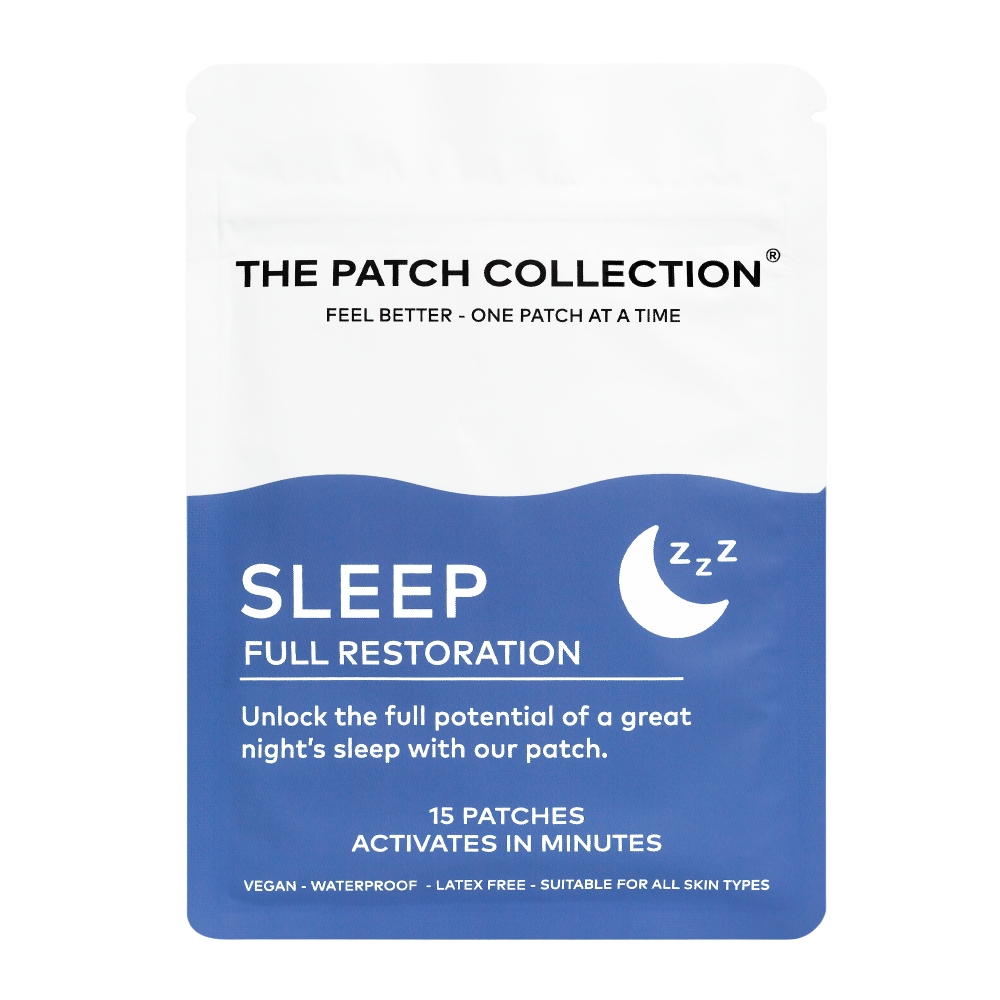
Restful sleep is a cornerstone of overall health, yet many people struggle with tossing and turning, waking up frequently, or simply feeling unrested after a full night in bed. While traditional remedies such as herbal teas, meditation, and prescription aids have their place, a growing body of research highlights the benefits of transdermal sleep patches. These discreet, skin-applied solutions deliver natural sleep-supporting ingredients directly into the bloodstream, bypassing the digestive system and providing a steady, controlled release throughout the night. By integrating sleep patches into a nightly routine, individuals can experience deeper, more restorative sleep without the grogginess that sometimes follows oral supplements.
What Are Sleep Patches and How Do They Work?
Sleep patches are adhesive strips infused with a blend of botanicals, vitamins, and minerals known to promote relaxation and circadian rhythm regulation. When applied to clean, dry skin, typically on the upper arm, shoulder, or abdomen, the patch releases its active ingredients gradually over 6-8 hours. This slow-release mechanism ensures a consistent level of support, helping the body transition smoothly into the various stages of sleep.
Key Mechanisms
- Transdermal absorption: Bypasses the gastrointestinal tract, reducing the risk of stomach upset and enhancing bioavailability.
- Steady release: Prevents spikes and drops in ingredient levels, fostering a stable sleep environment.
- Targeted ingredients: Common blends include melatonin, L-theanine, valerian root, and magnesium, all selected for their synergistic calming effects.
For a deeper dive into the science behind these formulations, Discover expert strategies here.
Benefits of Using Sleep Patches Over Traditional Methods
While many sleep aids rely on oral ingestion, patches provide several distinct advantages that align with a natural, hassle-free approach to rest.
- Convenience: Apply before bedtime and let the patch do the work, no need to remember a nightly pill.
- Reduced tolerance build-up: Continuous low-dose delivery lessens the chance of the body adapting to the ingredients.
- Minimal side effects: The absence of a strong systemic dose often results in fewer headaches or morning fog.
- Discreetness: Thin, skin-colored patches are virtually invisible, making them suitable for travel or shared sleeping spaces.
To explore tailored solutions that match specific sleep patterns, Learn about our tailored solutions.
How to Incorporate Sleep Patches Into Your Nightly Routine
Integrating a sleep patch is straightforward, but pairing it with complementary habits maximizes its effectiveness.
Step-by-Step Guide
- Clean the application area with mild soap and let it dry completely.
- Remove the protective backing from the patch.
- Press the patch firmly onto the skin, smoothing out any air bubbles.
- Leave the patch on for the recommended duration (typically 6-8 hours).
- Remove the patch in the morning and dispose of it responsibly.
Supporting Practices
- Dim lights and limit screen exposure at least 30 minutes before bed.
- Maintain a consistent sleep schedule, even on weekends.
- Incorporate a brief relaxation technique, such as deep breathing or gentle stretching, after applying the patch.
- Keep the bedroom cool (around 18-20??C) and free of disruptive noises.
For additional guidance on creating a sleep-friendly environment, Explore advanced guides and tips.
Choosing the Right Sleep Patch for Your Needs
Not all patches are created equal; formulations vary based on ingredient concentration, intended sleep phase support, and personal sensitivities. When selecting a product, consider the following factors:
- Ingredient profile: Look for patches that combine melatonin with calming amino acids like L-theanine for balanced support.
- Duration of release: Choose a patch that aligns with your typical sleep length, shorter releases for power naps, longer for full night rest.
- Skin compatibility: Hypoallergenic adhesives are essential for those with sensitive skin.
- Certifications: Third-party testing and transparent labeling indicate quality and safety.
For a curated selection that meets these criteria, Find out more about this approach.
Potential Considerations and Safety Tips
While sleep patches are generally safe for most adults, it’s prudent to be aware of a few considerations:
- Consult a healthcare professional if you are pregnant, nursing, or taking medication that interacts with melatonin.
- Avoid applying patches to broken or irritated skin.
- Store patches in a cool, dry place to preserve potency.
- Monitor how your body responds during the first few nights and adjust usage accordingly.
Conclusion
Sleep patches offer a natural, convenient avenue for enhancing nightly rest by delivering proven calming ingredients directly through the skin. When paired with consistent bedtime habits and a supportive sleep environment, they can help transition the body into deeper, more restorative sleep cycles without the drawbacks of oral supplements. By selecting a high-quality patch that matches personal needs and following simple application guidelines, individuals can experience measurable improvements in sleep quality, mood, and daytime performance.