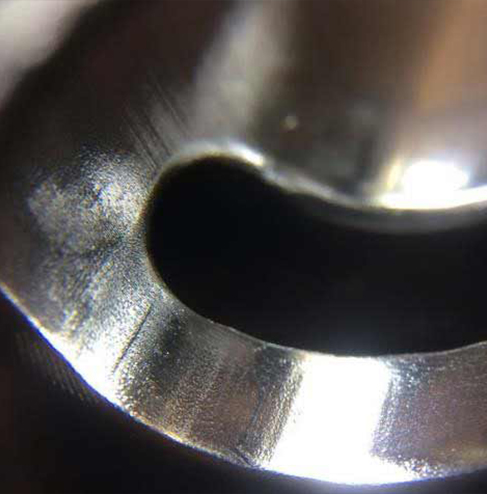
F-Class Turbine Rotor Maintenance Requires Specialized Care
Maintaining the high-performance rotors of F-Class turbines is a complex and delicate process that necessitates the expertise of experienced professionals. These large, high-speed turbines are used in various industrial applications, including power generation and oil refining. However, their intricate design and high operational speeds make them prone to damage and wear, which can lead to costly downtime and repairs.
Turbine Rotor Maintenance: A Delicate Balance
The maintenance of F-Class turbine rotors requires a deep understanding of the interplay between various factors, including temperature, pressure, and vibration. A single misstep can have far-reaching consequences, including reduced efficiency, increased energy consumption, and even catastrophic failure. As such, it is essential to adopt a tailored approach that takes into account the unique characteristics of each turbine and its operating environment.
Importance of Surface Finish
The surface finish of the turbine rotor is critical to its performance and longevity. A smooth, even surface ensures optimal heat transfer and minimizes the risk of hotspots and stress concentrations. However, achieving the required surface finish is a challenging task, particularly in high-temperature and high-stress environments. Advanced techniques, such as Blend Polish Peen, have been developed to address this issue, providing a high-quality finish that meets the demands of modern turbine design.
Turbine Rotor Repair and Replacement
In some cases, the damage to the turbine rotor may be too extensive to repair, and replacement may be the only viable option. However, this should not be seen as a straightforward process. The replacement of a turbine rotor requires careful planning and execution, taking into account factors such as downtime, energy consumption, and raw material costs. Furthermore, the new rotor must be carefully inspected and tested to ensure that it meets the required standards.
Preventative Maintenance Strategies
While repairs and replacements are inevitable in some cases, preventative maintenance strategies can significantly reduce the likelihood of turbine rotor failure. Regular inspections, monitoring of operating parameters, and timely maintenance can help identify potential issues before they become major problems. Additionally, adopting a proactive approach to maintenance can help minimize downtime and reduce energy consumption.
Conclusion
In conclusion, the maintenance of F-Class turbine rotors requires a high degree of expertise and a tailored approach that takes into account the unique characteristics of each turbine and its operating environment. By adopting advanced techniques, such as Blend Polish Peen, and implementing effective preventative maintenance strategies, it is possible to minimize downtime, reduce energy consumption, and extend the lifespan of the turbine rotor.
For more information on advanced guides and tips for turbine rotor maintenance, Discover expert strategies here.