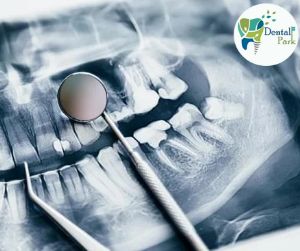
In the field of dentistry, technology is advancing at an unprecedented pace, providing dental professionals with innovative tools to enhance diagnostic accuracy and patient care. One such breakthrough is the cutting-edge 3D tooth scan technology, which has revolutionized dental imaging. This technology offers unparalleled precision and comprehensive insights that are vital for effective treatment planning. As dental health becomes an increasingly significant aspect of overall well-being, understanding the nuances of 3D tooth scanning is crucial for both professionals and patients alike.
What is 3D Tooth Scan Technology?
3D tooth scan technology, often referred to as cone beam computed tomography (CBCT), is a sophisticated imaging technique that generates three-dimensional images of dental structures, soft tissues, nerve paths, and bone in a single scan. This technology offers a detailed view of the oral cavity, providing clinicians with critical data that significantly enhances diagnostic capabilities.
Key Features of 3D Tooth Scanning
- High-resolution images that reveal intricate details
- Minimal radiation exposure compared to traditional CT scans
- Quick scan times, often completed in less than 60 seconds
- Versatility in diagnosing a range of dental conditions
Applications in Modern Dentistry
The application of 3D tooth scan technology spans numerous aspects of dental care, offering benefits that traditional imaging methods cannot match. This technology is instrumental in:
- Implant Planning: 3D scans provide precise measurements and spatial orientation for implant placement, ensuring optimal results.
- Orthodontics: Accurate visualization of tooth positions aids in the effective design of orthodontic treatments.
- Oral Surgery: Detailed imaging assists surgeons in planning and executing complex procedures with confidence.
- Endodontics: Enhanced visualization of root canals improves the accuracy of root canal treatments.
For more detailed insights into these applications, learn about our tailored solutions.
Advantages Over Traditional Methods
The advantages of 3D tooth scan technology over traditional imaging methods are profound. Traditional two-dimensional X-rays can only provide limited information, often necessitating multiple images from different angles. In contrast, 3D scans offer a comprehensive view with a single scan, improving diagnostic precision and reducing the need for repeated exposures.
- Enhanced diagnostic accuracy
- Reduced need for exploratory surgery
- Improved patient communication through visual aids
- Streamlined treatment planning with precise data
These advantages underscore why so many dental practices now prioritize 3D imaging. Discover expert strategies here for integrating 3D technology into dental practice.
Future Prospects of 3D Dental Imaging
The future of dental imaging is poised to be even more transformative as advancements continue to emerge. The integration of artificial intelligence and machine learning with 3D imaging promises to enhance diagnostic capabilities further and automate some aspects of treatment planning. Additionally, the continuous reduction in costs and radiation exposure will make this technology more accessible to a broader range of dental practices.
To stay ahead in the field of dental technology, it’s crucial to explore advanced guides and tips on how these innovations can be leveraged effectively.
Conclusion
3D tooth scan technology represents a significant leap forward in dental imaging, offering detailed insights that are essential for accurate diagnosis and effective treatment. As this technology continues to evolve, it holds the promise of even greater advancements in dental care, underscoring its importance in the modern dental practice. For a deeper understanding of how 3D imaging can transform dental diagnostics, find out more about this approach.