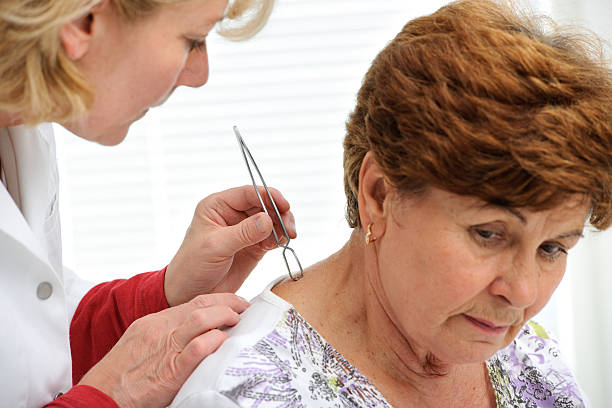
Lyme disease, a condition caused by the bacterium Borrelia burgdorferi, is transmitted through the bite of infected black-legged ticks. The disease can present a variety of symptoms, ranging from mild flu-like symptoms to severe neurological complications. Effective treatment is crucial to prevent long-term health issues. As the understanding of Lyme disease grows, so does the range of treatment options available to patients. This article explores some of the most effective treatments for Lyme disease, aiming to provide valuable insights for those seeking relief and recovery.
Antibiotic Therapy
Antibiotic therapy is the cornerstone of Lyme disease treatment, particularly in the early stages of infection. The goal is to eliminate the bacterial infection, thereby preventing progression and complications.
- Doxycycline: Often prescribed for adults and children over eight, doxycycline is effective in treating early Lyme disease.
- Amoxicillin: A suitable alternative for pregnant women and young children, as it is less likely to cause adverse effects.
- Cefuroxime axetil: Another option for those who cannot tolerate doxycycline or amoxicillin.
In cases where the disease has advanced to late-stage Lyme, intravenous antibiotics such as ceftriaxone may be necessary. This approach is typically reserved for severe manifestations like neurological Lyme disease.
Complementary and Alternative Medicine (CAM)
Some patients explore Lyme Disease Treatment options within the realm of complementary and alternative medicine. These therapies can provide additional support alongside conventional treatments.
- Herbal Protocols: Certain herbs, such as cat’s claw and Japanese knotweed, are believed to have antibacterial properties and support immune function.
- Acupuncture: This ancient practice may help alleviate pain and improve overall well-being.
- Diet and Nutrition: Adopting an anti-inflammatory diet can support the body”?s natural healing processes.
Post-Treatment Lyme Disease Syndrome (PTLDS)
Some individuals experience lingering symptoms even after antibiotic treatment, a condition known as Post-Treatment Lyme Disease Syndrome (PTLDS). Addressing PTLDS requires a comprehensive approach:
- Symptom Management: Pain relief through medications or physical therapy.
- Supportive Care: Cognitive behavioral therapy and other forms of psychological support can be beneficial.
- Consideration of Post-COVID Care strategies, as some overlaps exist between PTLDS and post-viral syndromes.
Prevention and Awareness
Prevention remains a critical aspect of managing Lyme disease. Awareness and proactive measures can significantly reduce the risk of tick bites and subsequent infection.
- Tick Avoidance: Wearing protective clothing and using insect repellent when in tick-prone areas.
- Regular Tick Checks: Conduct thorough inspections after spending time outdoors.
- Environmental Management: Keeping lawns mowed and removing leaf litter to reduce tick habitats.
Conclusion
Effective treatment of Lyme disease requires a multifaceted approach that includes antibiotics, complementary therapies, and symptomatic relief strategies. By staying informed and vigilant, individuals can manage their health proactively and minimize the long-term impact of this disease. The importance of early detection and comprehensive care cannot be overstated, as these are key to achieving the best outcomes for those affected by Lyme disease.