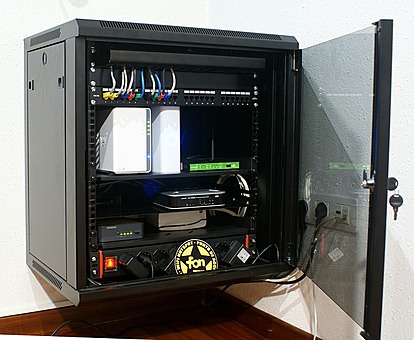
Electrical control panels are the backbone of modern automation, enabling efficient and reliable control of complex systems. As automation continues to evolve, it’s essential to adopt best practices in electrical control panel design to ensure seamless integration and optimal performance. A well-designed electrical control panel is crucial for maintaining system uptime, reducing energy consumption, and minimizing maintenance costs.
Design Considerations for Electrical Control Panels
When designing electrical control panels, several key considerations come into play. Firstly, it’s essential to ensure that the panel is designed to meet specific application requirements. This includes factors such as environmental conditions, power ratings, and control logic. For instance, a panel designed for a harsh environment may require additional protection measures, such as IP65 rating or specialized cooling systems. Discover expert strategies here for optimizing electrical control panel design for specific applications.
Another critical consideration is the selection of components and materials. The choice of electrical components, such as circuit breakers, contactors, and relays, can significantly impact panel performance and reliability. It’s essential to select components that meet the specific requirements of the application and are compatible with the control logic. Learn about our tailored solutions for electrical control panel component selection on our website.
Panel Layout and Configuration
The layout and configuration of the electrical control panel are also critical design considerations. A well-organized panel layout can significantly improve maintenance efficiency and reduce downtime. This includes factors such as cable management, component accessibility, and labeling. Explore advanced guides and tips for optimizing electrical control panel layout and configuration on our website.
In addition to these considerations, it’s also essential to ensure that the panel is designed for easy integration with other system components. This includes factors such as communication protocols, data exchange formats, and software integration. Find out more about this approach to electrical control panel design and discover how it can improve system efficiency and reliability.
Implementation and Testing
Once the electrical control panel is designed, it’s essential to implement and test it properly. This includes factors such as commissioning, testing, and validation. A thorough testing process can help identify potential issues and ensure that the panel operates as intended. Discover expert strategies here for implementing and testing electrical control panels and ensuring optimal performance.
In conclusion, electrical control panel design is a critical aspect of modern automation. By adopting best practices in design, selection, and implementation, it’s possible to create panels that are efficient, reliable, and easy to maintain. Explore our website for more information on electrical control panel design and discover how it can improve your automation system.
- Regularly review and update panel design to ensure it meets evolving application requirements.
- Use advanced design tools and software to optimize panel performance and reliability.
- Implement rigorous testing and validation procedures to ensure panel integrity.
For more information on electrical control panel design, visit our website at Discover expert strategies here for optimizing electrical control panel design and improving system efficiency and reliability.