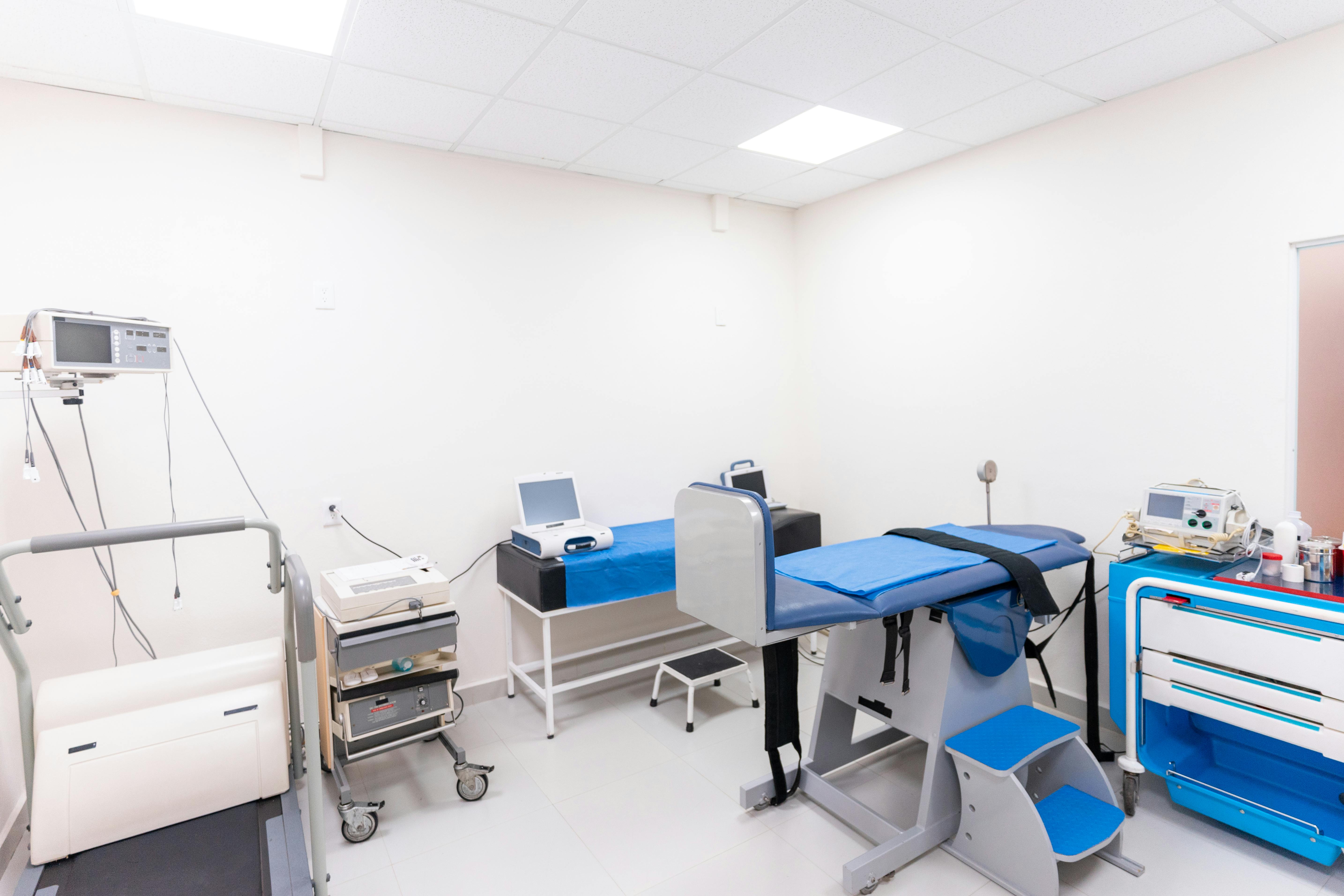
The importance of comfort and functionality in nursing home settings cannot be overstated. As the population ages, more individuals are transitioning into nursing homes, necessitating environments that are both welcoming and medically appropriate. Central to this transition is the role of nursing home furniture supplier in providing quality furnishings that enhance patient comfort and care. The furniture used in these settings must meet rigorous standards for durability, hygiene, and ergonomics while also contributing to a homely and comforting atmosphere.
Understanding Patient Needs
Patients in nursing homes have unique needs that influence furniture design and selection. Comfortable and supportive seating, adjustable beds, and accessible storage solutions are just a few elements that can dramatically influence a patient’s quality of life. Here are some critical considerations:
- Ergonomics: Ergonomic design is vital for both patients and caregivers. Furniture should support varied physical needs and reduce the risk of injury.
- Accessibility: Furniture must be easy to access for individuals with limited mobility, ensuring independence and confidence in daily activities.
- Durability: Nursing home furniture is subject to frequent use and must withstand the rigors of daily life without compromising on quality.
- Hygiene: Materials should be easy to clean and resist bacteria, promoting a safe and healthy environment.
Key Furniture Types and Their Roles
Beds and Mattresses
Beds are central to a patient”?s comfort and well-being. Adjustable beds are particularly beneficial, allowing for various positions that aid in circulation and reduce the risk of bedsores. The quality of mattresses is equally important, as they provide the support needed to promote restful sleep and overall health.
Seating Solutions
Chairs and sofas in common areas and private rooms must offer both comfort and support. Recliners and lift chairs can be particularly advantageous, providing ease of movement and comfort. Healthcare furniture should enhance the living experience by combining functionality with a homely aesthetic.
Tables and Storage
Practical storage solutions contribute to a clutter-free environment, which is crucial for both safety and comfort. Adjustable tables that can be easily moved and adapted to different uses are essential in providing flexibility for both patients and staff.
Choosing the Right Supplier
Selecting the right hospital furniture supplier is crucial for ensuring that nursing homes are equipped with high-quality furniture. Here are some factors to consider:
- Reputation: Look for suppliers known for the quality and durability of their products.
- Variety: A wide range of medical clinic furniture options ensures that specific needs can be met.
- Compliance: Ensure that all furniture meets industry standards for safety and functionality.
- Customer Service: Reliable customer service is essential for addressing issues and ensuring satisfaction.
Future Trends in Nursing Home Furniture
The future of medical furniture in nursing homes will likely see an increased focus on technology integration and sustainable materials. Innovations such as smart beds and chairs with built-in health monitoring could revolutionize patient care, offering real-time data to caregivers.
Sustainability is also becoming a significant factor, with more medical furniture suppliers opting for eco-friendly materials and production processes. This not only helps in reducing the environmental impact but also appeals to consumers who value green initiatives.
Conclusion
Quality hospital furniture supplies play an integral role in enhancing the comfort and care of nursing home residents. By prioritizing patient needs, understanding the types of furniture required, and choosing the right supplier, nursing homes can create environments that are both functional and inviting. As trends continue to evolve, the focus remains steadfast on improving the quality of life for those in long-term care facilities.