Sports injuries are an unfortunate reality for many athletes and enthusiasts. Whether you’re a professional or an amateur, the impact of an injury can be both physically and emotionally taxing. Addressing sports injuries effectively is crucial not only for recovery but also for preventing future occurrences. This article explores essential steps for successful sports injury treatment, ensuring a comprehensive approach to recovery and rehabilitation.
Understanding the Nature of the Injury
The first step in effective sports injury treatment is understanding the specific nature of the injury. This involves:
- Identifying the affected body part and the severity of the injury.
- Understanding the mechanism of the injury – how it occurred.
- Evaluating symptoms such as pain levels, swelling, and range of motion.
Accurate diagnosis is fundamental, as it guides the entire treatment plan. Seeking professional medical evaluation ensures that the injury is correctly identified and managed. Discover expert strategies here.
Immediate Response and First Aid
Immediate response to a sports injury can significantly influence the healing process. The R.I.C.E method is widely recommended:
- Rest: Cease activity to prevent further damage.
- Ice: Apply ice packs to reduce swelling and numb pain.
- Compression: Use bandages to provide support and reduce swelling.
- Elevation: Keep the injured area raised above heart level to minimize swelling.
These steps can be crucial in managing the injury during the initial stages. Find out more about this approach.
Professional Medical Assessment
Consulting a Specialist
After administering first aid, consulting a healthcare professional is vital. Specialists, such as physiotherapists or sports medicine doctors, provide a detailed assessment and a personalized treatment plan. This may include:
- Further imaging, like X-rays or MRIs, to assess injury severity.
- Setting up a rehabilitation schedule tailored to the injury.
- Prescribing medication for pain management if necessary.
Learn about our tailored solutions.
Rehabilitation and Therapy
Structured Rehabilitation Programs
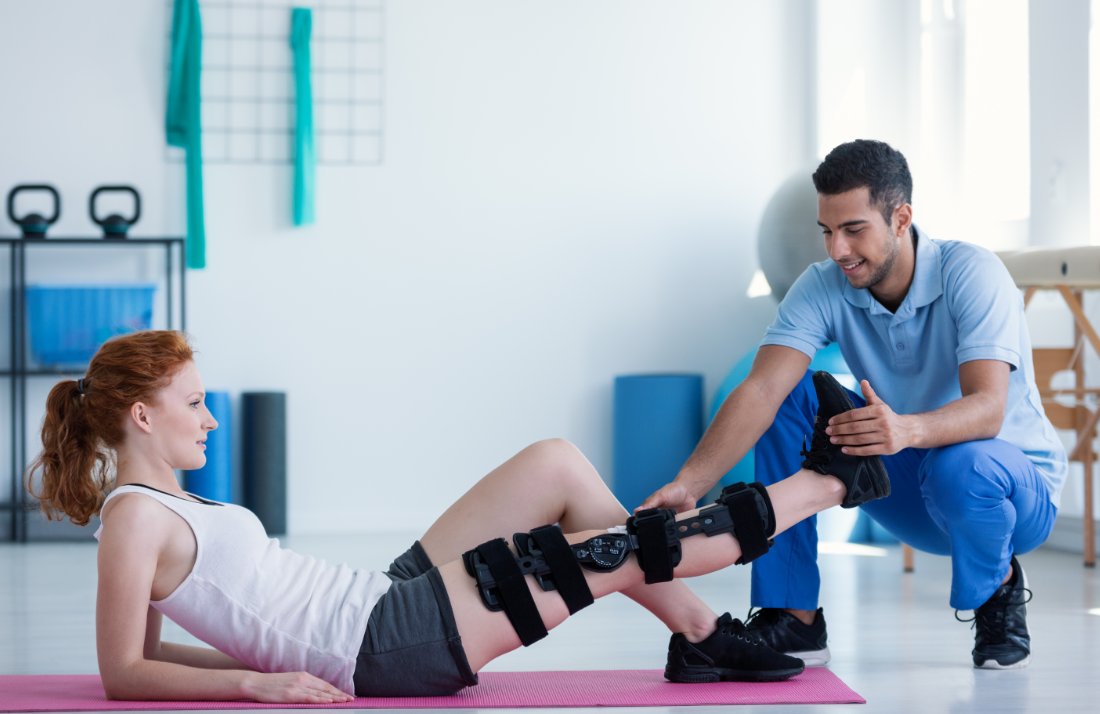
A structured rehabilitation program is essential for a successful recovery. This typically involves:
- Physical therapy sessions to restore strength and flexibility.
- Gradual reintroduction to physical activity.
- Continuous monitoring and adjustment of the rehabilitation plan.
Rehabilitation is a crucial phase that restores functionality and prevents the recurrence of the injury. Explore advanced guides and tips.
Prevention of Future Injuries
Preventing future sports injuries is as important as treating the current one. This involves:
- Implementing proper warm-up and cool-down routines.
- Strength and conditioning exercises to support vulnerable areas.
- Using appropriate gear and equipment.
- Maintaining a balanced diet and ensuring adequate hydration.
Education on proper techniques and body mechanics also plays a critical role in prevention. Find out more about this approach.
Conclusion
Effectively treating sports injuries involves a multi-faceted approach, including accurate diagnosis, immediate care, professional medical assessment, and comprehensive rehabilitation. Each of these steps is crucial to ensure not only recovery but also the prevention of future injuries. With the right strategies and professional guidance, athletes can return to their sport with confidence and reduced risk of re-injury. For more in-depth information and guidance, discover expert strategies here.