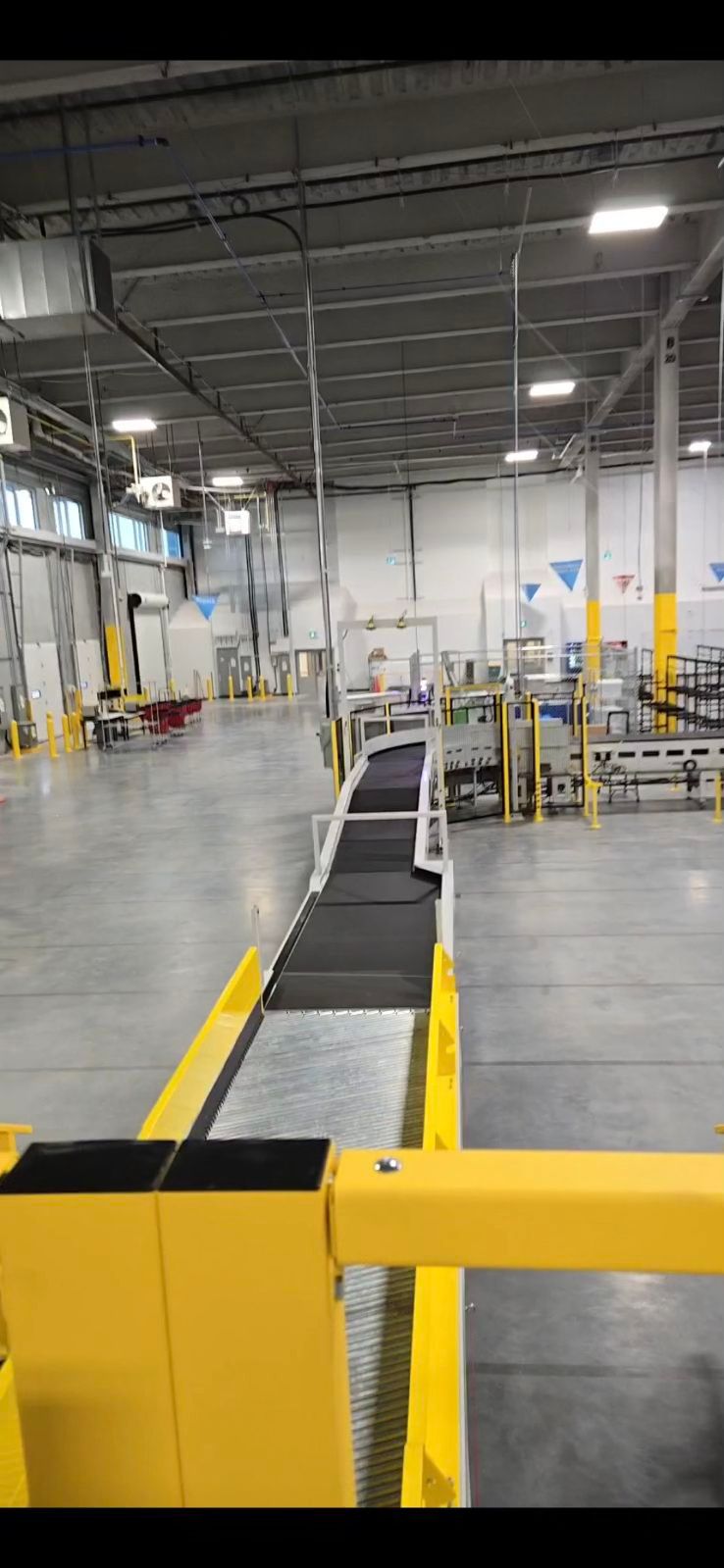
Efficient space utilization is crucial in warehouse management. With the growing demands of modern logistics and supply chain operations, maximizing available space can lead to significant cost savings and improved operational efficiency. One of the most effective ways to achieve this is through the implementation of warehouse racking systems. These systems not only help in organizing inventory but also enhance accessibility and safety. In this article, various types of racking systems, their benefits, and considerations for selection will be explored.
Types of Warehouse Racking Systems
Pallet Racking
Pallet racking is one of the most commonly utilized systems in warehouses. It is designed to store materials on pallets and can be easily adjusted to fit different pallet sizes. Pallet racking systems include:
- Selective Pallet Racking: Offers direct access to each pallet, making it ideal for warehouses with a wide variety of products.
- Drive-In Racking: Optimizes space by allowing forklifts to drive directly into the rack structure, suitable for large quantities of similar items.
- Push-Back Racking: Utilizes a system of carts and rails, allowing pallets to be stored multiple deep, enhancing density.
Cantilever Racking
Cantilever racking is specifically designed for storing long, bulky items such as lumber, pipes, and steel rods. Its open design provides easy access and flexibility, making it an essential choice for warehouses dealing with oversized products. The following are the advantages of using cantilever racking:
- Flexible storage options for non-uniform items.
- Increased accessibility due to open design.
- Customizable to various lengths and weights.
Learn more in this detailed guide.
Benefits of Implementing Racking Systems
Incorporating racking systems in a warehouse offers numerous benefits, which can significantly enhance operational efficiency:
- Space Optimization: Effective racking systems maximize vertical space, freeing up valuable floor area.
- Improved Safety: Proper organization reduces the risk of accidents and enhances worker safety.
- Enhanced Inventory Management: Facilitates easier tracking and management of inventory levels.
Explore further insights here.
Considerations for Selecting a Racking System
Choosing the right racking system involves analyzing various factors to ensure it meets the specific needs of a warehouse. Key considerations include:
- Load Capacity: Ensure that the chosen system can handle the weight of the items stored.
- Warehouse Layout: The design and dimensions of the warehouse play a crucial role in selecting an appropriate system.
- Product Type: The nature of the products stored (e.g., size, weight, and shape) dictates the type of racking required.
Find additional information here.
Conclusion
Warehouse racking systems are indispensable for optimizing space and enhancing operational efficiency. By selecting the appropriate type and configuration, businesses can improve their inventory management, enhance safety, and reduce costs. Careful consideration of warehouse needs and product characteristics is essential in making an informed decision. For more detailed insights and guidance, consider exploring specialized resources that delve deeper into each aspect of warehouse racking solutions.