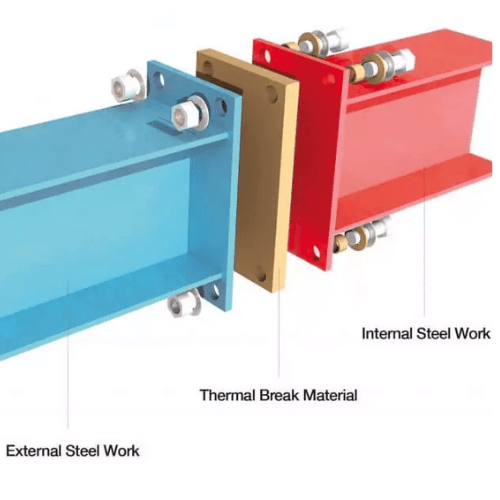
High-rise structures and buildings pose unique challenges when it comes to thermal performance and energy efficiency. The increasing demand for sustainable and environmentally friendly construction methods has led to the development of innovative solutions, including the use of steel thermal breaks in building design. A steel thermal break is a crucial component in ensuring that buildings remain energy-efficient and environmentally sustainable.
The primary function of a steel thermal break is to prevent heat transfer between steel components, thereby reducing heat loss and minimizing the risk of condensation. This is particularly important in high-rise structures, where the risk of heat loss and condensation is greater due to the increased height and exposure to varying temperatures. By incorporating a steel thermal break, building designers and architects can ensure that their structures meet the required energy efficiency standards.
One of the key benefits of using a steel thermal break is its ability to reduce thermal bridging. Thermal bridging occurs when there are gaps or weaknesses in the insulation, allowing heat to escape and reducing the overall energy efficiency of the building. A steel thermal break can help to minimize thermal bridging by providing a continuous layer of insulation between steel components. This ensures that the building remains energy-efficient and environmentally sustainable.
When selecting a steel thermal break, it is essential to consider the specific requirements of the building project. This includes the type of steel being used, the climate and weather conditions, and the desired level of energy efficiency. Different types of steel thermal breaks are available, each with its own unique characteristics and benefits. For example, some steel thermal breaks are designed specifically for use in high-rise structures, while others are more suited to smaller buildings or residential projects.
In addition to reducing thermal bridging and improving energy efficiency, a steel thermal break can also help to minimize the risk of condensation. Condensation occurs when warm, moist air comes into contact with a cold surface, resulting in the formation of water droplets. This can lead to a range of problems, including damage to building materials, mold growth, and structural issues. By incorporating a steel thermal break, building designers and architects can help to minimize the risk of condensation and ensure that their structures remain safe and secure.
When specifying a steel thermal break, it is essential to consider the manufacturer’s specifications and recommendations. This includes the type of steel being used, the thickness and size of the break, and the installation requirements. It is also essential to ensure that the steel thermal break is compatible with other building materials and components, including insulation, cladding, and roofing.
In conclusion, the use of a steel thermal break in building design is a crucial component in ensuring that high-rise structures and buildings remain energy-efficient and environmentally sustainable. By reducing thermal bridging, minimizing the risk of condensation, and improving energy efficiency, a steel thermal break can help to ensure that buildings meet the required energy efficiency standards. When selecting a steel thermal break, it is essential to consider the specific requirements of the building project and to specify a product that meets the manufacturer’s specifications and recommendations.
For more information on the benefits of using a steelwork thermal break in building design, please visit our website.
The use of a structural steel thermal break can help to minimize thermal bridging and improve energy efficiency in high-rise structures and buildings.
When specifying a steel thermal break, it is essential to consider the manufacturer’s specifications and recommendations. This includes the type of steel being used, the thickness and size of the break, and the installation requirements.
By incorporating a steel thermal break into building design, architects and builders can help to ensure that their structures meet the required energy efficiency standards.
The benefits of using a steel thermal break in building design are numerous, including improved energy efficiency, reduced thermal bridging, and minimized risk of condensation.
For more information on the benefits of using a steel to steel thermal break in building design, please visit our website.