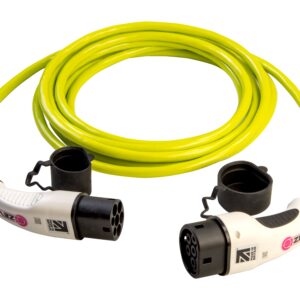
As electric vehicles (EVs) become increasingly prevalent, the demand for efficient and reliable charging solutions has surged. Setting up an EV charging station is not just about installing a charger; it’s about integrating the right components to ensure safety, efficiency, and ease of use. Among these components, the choice of charging cables plays a crucial role. Selecting high-quality cables can significantly streamline the setup process and enhance the overall charging experience.
The Importance of Quality Cables in EV Charging
The functionality of an EV charging station heavily relies on the quality of the cables used. Here are some reasons why investing in premium cables is essential:
- **Safety:** High-quality cables are designed to handle high voltages and currents, reducing the risk of electrical hazards.
- **Durability:** Robust cables are less prone to wear and tear, ensuring a longer lifespan and reducing maintenance costs.
- **Efficiency:** Superior cables minimize energy loss, leading to faster charging times and improved energy efficiency.
- **Compatibility:** Quality cables are often compatible with a wide range of vehicles and charging stations, offering greater flexibility.
For more insights on choosing the right cables, discover expert strategies here.
Factors to Consider When Selecting EV Charging Cables
When selecting cables for an EV charging station, several factors should be considered to ensure optimal performance and safety.
1. Cable Length
The length of the cable is crucial for convenience and accessibility. A cable that is too short may limit the ease of connecting the vehicle, while an excessively long cable can be cumbersome and pose tripping hazards. It’s advisable to measure the distance between the charging point and the vehicle’s charging port to determine the appropriate length.
2. Cable Type
There are different types of cables available, each suited for specific charging needs. It’s important to choose a cable that aligns with the charging station’s specifications and the vehicle’s requirements. To learn more about the various types of EV charging cables, find out more about this approach.
3. Weather Resistance
Cables used in outdoor settings must withstand various weather conditions. Look for cables designed to resist UV rays, moisture, and temperature extremes to ensure reliable performance throughout the year.
Enhancing Charging Efficiency with Advanced Cables
Incorporating advanced cable technology can further enhance the efficiency of an EV charging station. Consider the following innovations:
- **Smart Cables:** These cables can communicate with the vehicle and charging station to optimize charging speeds and energy usage.
- **High Conductivity Materials:** Utilizing materials with superior conductivity reduces energy loss and heat generation.
- **Flexible Design:** Cables with enhanced flexibility are easier to handle and less likely to suffer from bending or knotting.
For additional information on integrating advanced cable solutions, explore advanced guides and tips.
Conclusion
Setting up an efficient and reliable EV charging station is a multifaceted task, with the choice of cables playing a pivotal role in the overall system’s performance. By focusing on quality, compatibility, and advanced features, one can ensure a seamless and safe charging experience. To further refine your setup and explore tailored solutions, learn about our tailored solutions.