In a world where first impressions are pivotal, the humble business card continues to play a crucial role in professional interactions. As an extension of one’s brand, a business card should reflect the identity and values of the business it represents. Designing custom business cards involves more than just choosing a color and adding a logo; it is about crafting an experience that leaves a lasting impression. This guide explores key aspects of designing custom business cards, from material selection to creative design tips, to ensure that every card handed out speaks volumes about the brand it represents.
Understanding the Basics of Business Card Design
Elements of a Business Card
To create a card that stands out, one must first understand the essential elements that it should contain:
- Contact Information: Include essential details such as name, position, company name, phone number, email address, and website URL.
- Company Logo: A well-placed logo helps in brand recognition and ensures the card aligns with the company’s visual identity.
- Tagline: If applicable, a catchy tagline or a brief description of the services offered can add context.
Choosing the Right Material
The choice of material can significantly impact the perception of a business card. Here are some popular options:
- Paper: The most common material, available in various finishes such as matte, glossy, or textured.
- Plastic: Offers durability and a modern look, suitable for businesses looking to make a bold statement.
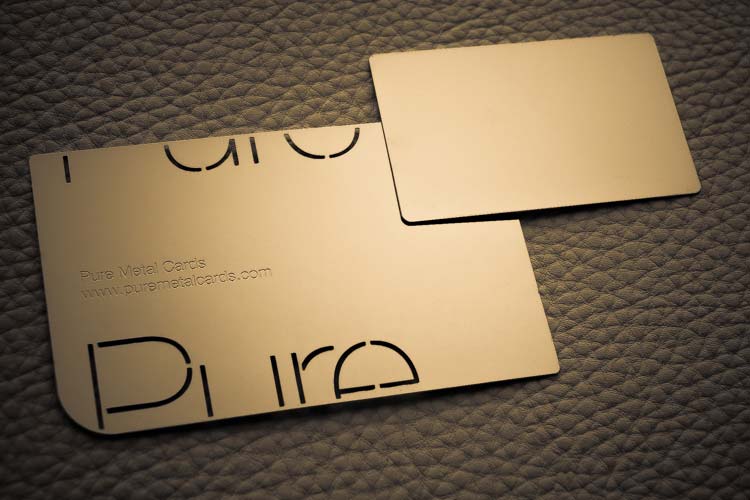
- Metal: Offers a premium feel, often used for custom business cards that prioritize uniqueness and luxury.
Design Principles for Effective Business Cards
Balance and Alignment
Achieving a sense of balance and alignment is crucial in business card design. Ensure that the text and images are well-aligned and evenly spaced to create a professional and aesthetically pleasing look.
Color and Typography
Colors play a significant role in conveying emotions and brand identity. Choose a color scheme that aligns with the company’s branding. Similarly, typography should be legible and reflect the brand’s personality”?whether it’s modern, traditional, or playful.
Use of White Space
Effective use of white space can enhance readability and draw attention to key elements. Avoid overcrowding the card with too much information, as it can overwhelm the recipient.
Innovative Design Ideas
Incorporating Unique Shapes
Moving beyond the traditional rectangular shape can make a business card memorable. Consider die-cutting techniques to create custom shapes that resonate with the brand’s identity.
Interactive Elements
Adding interactive elements like QR codes that link to websites or portfolios can offer added value and engage recipients in a digital experience.
Textured Effects
Textures can add a tactile dimension to business cards, making them not only visually appealing but also engaging to touch. Options include embossing, debossing, and foil stamping.
Final Touches
Proofreading and Test Prints
Before finalizing the design, it’s critical to proofread all text for any errors and order a test print. This step ensures that the colors, text, and images appear as intended.
Distribution Strategy
Consider how and where business cards will be distributed. Ensure that they are readily available at networking events, meetings, and other appropriate venues to maximize their impact.
In conclusion, designing custom business cards is an art that combines creativity with strategic thinking. By paying attention to details such as material choice, design principles, and innovative ideas, one can create a lasting impression that aligns with the brand’s identity and values. Whether opting for a traditional or unconventional approach, the ultimate goal is to ensure that the business card effectively communicates the essence of the brand it represents.