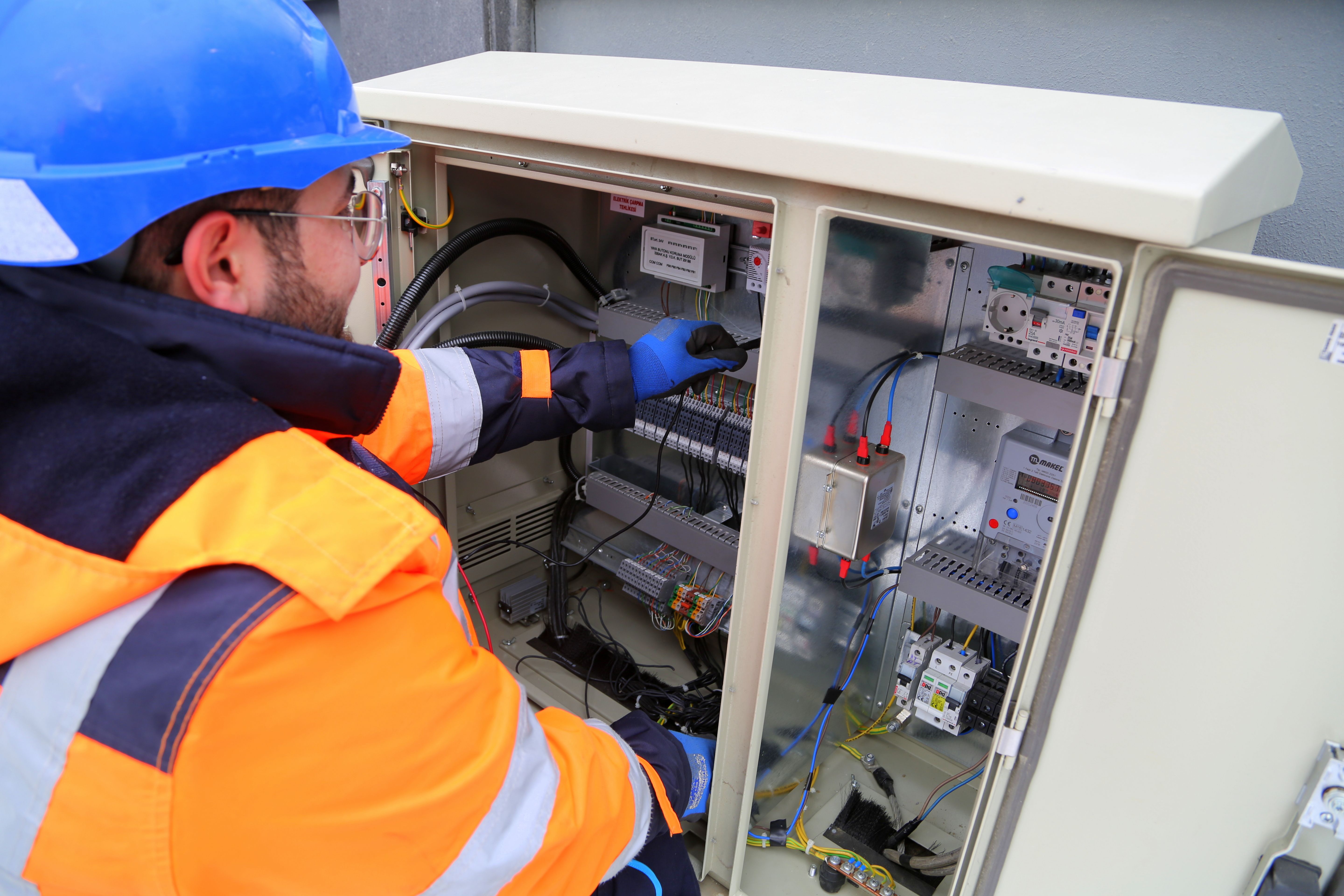
In the realm of electrical maintenance and safety, 5KV electrical testing plays a critical role. This testing is essential for evaluating the integrity and functionality of electrical insulation in medium voltage systems. Understanding its fundamentals is key to ensuring system reliability and preventing catastrophic failures. A comprehensive grasp of the 5KV testing process not only enhances safety but also extends the lifespan of electrical equipment.
What is 5KV Electrical Testing?
5KV electrical testing, often performed as part of medium voltage electrical testing, involves the application of a 5,000-volt potential to assess the insulation integrity of electrical systems. This test is crucial for identifying potential weaknesses in the insulation of cables, transformers, and other critical components.
Purpose of 5KV Testing
The primary objectives of conducting 5KV electrical testing include:
- Identifying insulation deterioration or defects before they lead to system failures.
- Ensuring the safety of personnel by verifying the effectiveness of insulation.
- Maintaining operational efficiency of electrical equipment.
- Preventing costly downtime due to unexpected insulation failures.
The Testing Process
The 5KV electrical testing process follows a structured procedure to ensure precision and safety. Here”?s an overview of the typical steps involved:
Preparation
- Verify that all equipment to be tested is de-energized and properly grounded.
- Inspect the testing area to ensure it is safe and free from potential hazards.
- Use appropriate personal protective equipment (PPE) to safeguard against electrical risks.
Testing
- Connect the test equipment according to the manufacturer”?s guidelines.
- Gradually apply the 5KV potential, monitoring the insulation”?s response.
- Record the insulation resistance values for analysis.
Analysis and Reporting
- Analyze the test results to identify any deviations from standard insulation resistance values.
- Generate a comprehensive report outlining the condition of the insulation.
- Recommend corrective actions if any issues are detected.
Benefits of Regular 5KV Testing
Consistent 5KV electrical testing provides numerous advantages, including:
- Enhanced reliability and longevity of electrical equipment.
- Reduced risk of unexpected equipment failures.
- Improved safety for maintenance personnel and facility operations.
- Cost savings through proactive identification and repair of insulation issues.
Integration with Other Testing Practices
5KV testing is often integrated with other testing protocols such as NETA electrical testing and 15kV electrical testing to provide a comprehensive assessment of an electrical system. This holistic approach ensures all potential issues are identified and addressed promptly.
Conclusion
Understanding and implementing high voltage electrical testing, including 5KV electrical testing, is vital for maintaining the safety and efficiency of electrical systems. Regular testing not only helps in identifying and mitigating risks but also enhances the overall performance of the electrical infrastructure. Through diligent testing and maintenance, facilities can ensure operational stability and safety, while minimizing downtime and repair costs.