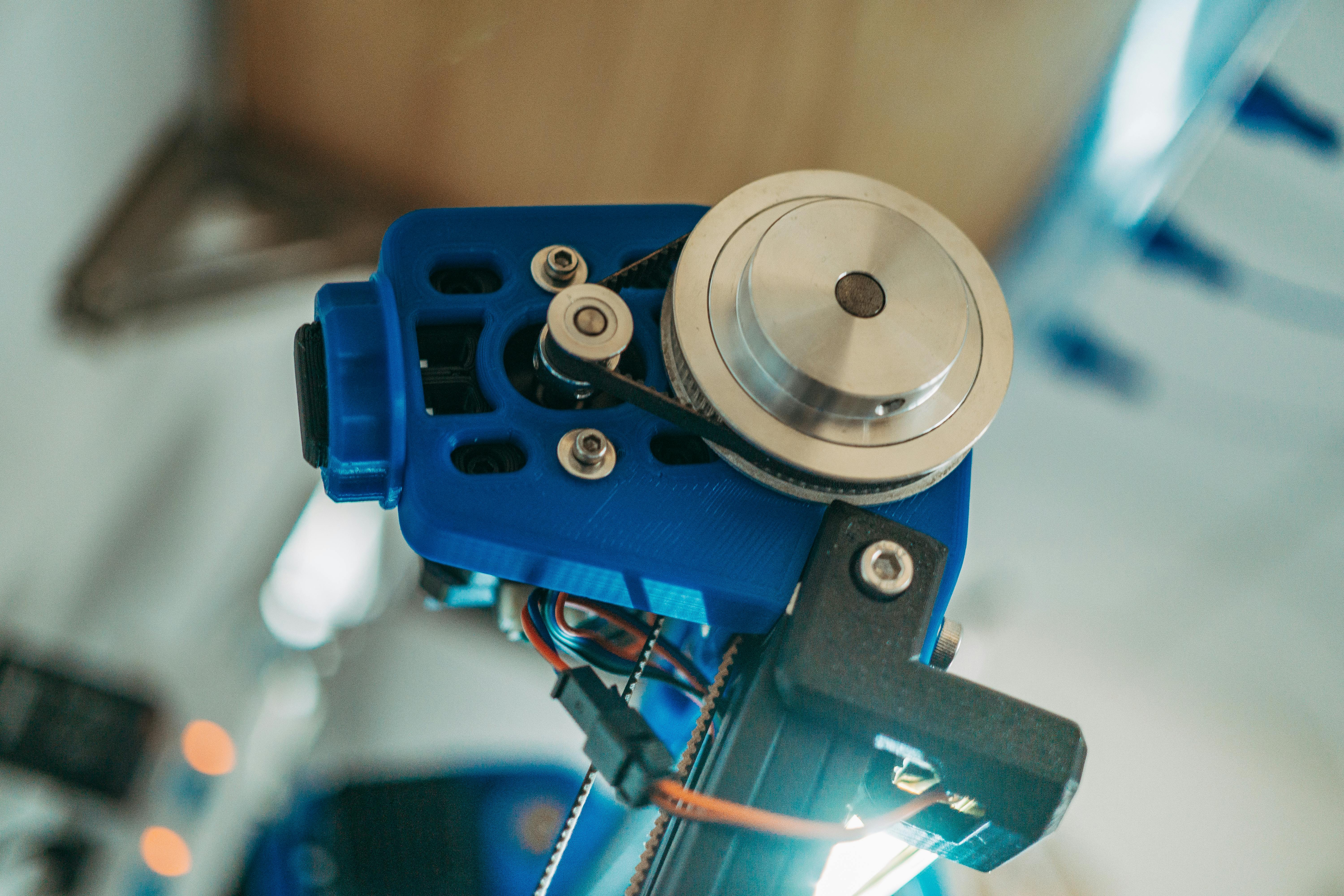
Electric motors are ubiquitous in modern technology, driving everything from household appliances to industrial machinery. At the heart of these motors, the rotor plays a crucial role in determining the efficiency and performance of the system. Understanding how the rotor functions and influences motor efficiency is essential for optimizing motor design and operation. This article delves into the intricacies of the rotor’s role, offering insights and practical guidance for engineers and industry professionals.
The Basics of an Electric Motor
An electric motor converts electrical energy into mechanical energy through electromagnetic interactions. The motor consists of two main parts: the stator and the rotor. The stator is the stationary part, while the rotor is the rotating component that interacts with the magnetic field generated by the stator.
Key Components of the Rotor
- Shaft: The central axis on which the rotor turns. It transmits the mechanical energy generated by the motor.
- Core: Typically made of laminated steel, it enhances magnetic properties and minimizes energy losses.
- Winding: Conductive wire coiled around the core to induce a magnetic field.
- Bearings: Facilitate smooth and efficient rotation, reducing friction and wear.
Impact of Rotor Design on Efficiency
The design and materials used in the rotor significantly influence the motor’s efficiency. Here are some design considerations:
- Material Selection: High-quality materials reduce energy losses due to resistance and heat. Learn about our tailored solutions with advanced materials here.
- Lamination Thickness: Thinner laminations reduce eddy current losses, enhancing efficiency.
- Winding Technique: Proper winding minimizes electrical losses and maximizes magnetic field strength.
- Core Geometry: Optimized shapes improve air flow and reduce mechanical drag.
Innovations in Rotor Technology
Recent advancements in rotor technology focus on enhancing efficiency and performance. Some notable innovations include:
- Permanent Magnet Rotors: Offer higher efficiency by eliminating the need for field windings.
- Advanced Cooling Systems: Reduce heat build-up, preventing energy loss and improving longevity.
- Smart Rotor Designs: Incorporate sensors and IoT connectivity for real-time performance monitoring. Explore advanced guides and tips on innovative designs here.
Best Practices for Optimizing Rotor Efficiency
To achieve optimal performance, consider the following best practices:
- Regular Maintenance: Keep bearings lubricated and inspect for wear to prevent mechanical failures.
- Precision Manufacturing: High-precision techniques ensure minimal deviations in rotor construction.
- Customization: Tailor rotor designs to specific applications for maximum efficiency. Discover expert strategies for customization here.
- Energy Management: Implement energy-saving controls and sensors to monitor and adjust motor operations.
Conclusion
The rotor is a pivotal component in electric motors, directly affecting their efficiency and performance. By understanding the nuances of rotor design and adopting innovative technologies, engineers can significantly enhance motor efficiency. This not only leads to cost savings but also contributes to environmental sustainability by reducing energy consumption. For detailed guidance and customized solutions in motor design, find out more about this approach. Ensure that your motor systems are optimized for the demands of today and the challenges of tomorrow.