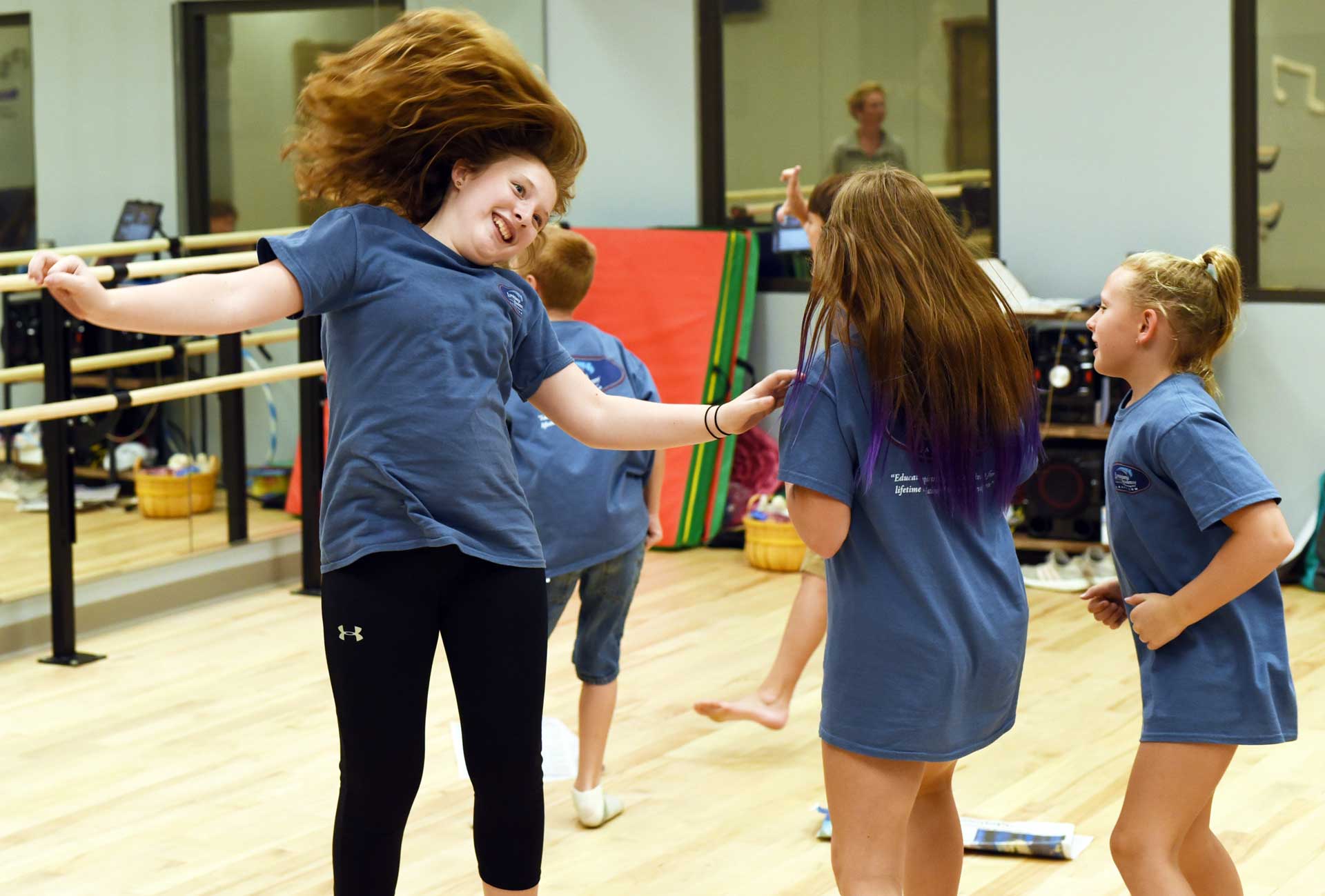
Choosing the right camp for preschoolers is more than selecting a fun summer activity; it is an investment in early learning foundations that shape lifelong curiosity, social confidence, and emotional resilience. An ideal preschool camp blends play-based pedagogy with a safe, nurturing environment, offering children structured opportunities to explore language, math, science, and the arts while building essential life skills. Parents seeking a program that aligns with developmental best practices should look for evidence-based curricula, qualified staff, and intentional design that supports each child’s unique pace of growth. The following guide outlines the critical components that distinguish a high-quality preschool camp and explains how these elements translate into meaningful early learning experiences.
Curriculum Design Rooted in Early Childhood Research
A well-crafted curriculum is the backbone of any effective preschool camp. It should be grounded in research from leading early childhood education institutions and reflect the developmental milestones of 3- to 5-year-olds.
Key Features
- Play-Based Learning: Activities are structured around guided play, allowing children to experiment, solve problems, and develop language skills in a low-pressure setting.
- Integrated Themes: Daily or weekly themes connect literacy, numeracy, science, and the arts, reinforcing concepts across multiple domains.
- Progressive Skill Building: Lessons are scaffolded so that each session builds on prior knowledge, ensuring steady advancement without overwhelming the child.
For families interested in deeper insights, Discover expert strategies here provides a comprehensive overview of evidence-based approaches used in top preschool camps.
Qualified and Nurturing Staff
The quality of the educators and caregivers directly influences a child’s comfort, engagement, and learning outcomes. Ideal camps employ professionals with specialized training in early childhood education and a demonstrated passion for nurturing young minds.
What to Look For
- Certificates in early childhood education or related fields.
- Ongoing professional development focused on the latest pedagogical methods.
- Low adult-to-child ratios that allow for individualized attention.
- Clear background checks and safety protocols.
To explore how staff qualifications translate into daily camp experiences, Learn about our tailored solutions that emphasize teacher expertise and child-centered care.
Safe, Stimulating Environment
Physical space and safety measures are as important as the curriculum. A well-designed environment encourages exploration while minimizing risk.
Environmental Essentials
- Age-Appropriate Materials: Toys, art supplies, and learning stations are sized and designed for preschoolers.
- Outdoor Play Areas: Secure, shaded spaces for gross-motor activities that promote health and social interaction.
- Clear Safety Protocols: Regular equipment inspections, first-aid trained staff, and emergency response plans.
Parents can Explore advanced guides and tips on evaluating camp facilities and safety standards.
Social-Emotional Development Opportunities
Preschool is a critical period for learning how to interact with peers, manage emotions, and develop empathy. Camps that prioritize social-emotional learning (SEL) equip children with tools they will use throughout school and life.
SEL Strategies Implemented in Camp Settings
- Circle time discussions that teach listening and turn-taking.
- Conflict-resolution role-plays guided by staff.
- Emotion-recognition games using pictures and storytelling.
- Positive reinforcement systems that celebrate cooperation and kindness.
For a deeper dive into SEL integration, Find out more about this approach and see how camps measure progress in emotional competence.
Parental Involvement and Communication
Transparent communication builds trust and keeps families engaged in their child’s learning journey. Ideal camps provide regular updates, photos, and opportunities for parents to participate.
Effective Communication Practices
- Daily or weekly newsletters highlighting activities and learning objectives.
- Secure online portals where parents can view photos, progress reports, and upcoming themes.
- Parent-teacher conferences or virtual check-ins to discuss child development.
- Family-oriented events that extend learning beyond the camp setting.
Explore how consistent communication enhances the camp experience by visiting Discover expert strategies here for maintaining a strong home-camp connection.
Flexibility and Accessibility
Modern families appreciate camps that accommodate varying schedules, budgets, and transportation needs. Flexibility in enrollment options and inclusive policies broaden access to high-quality early learning.
Features to Consider
- Full-week, half-week, and single-day enrollment choices.
- Sliding-scale tuition or scholarship programs.
- Convenient location with safe drop-off/pick-up zones.
- Adaptations for children with diverse learning needs.
For additional information on flexible program structures, Learn about our tailored solutions that balance accessibility with educational excellence.
Measurable Outcomes and Continuous Improvement
High-quality camps track child progress and use data to refine their programs. Clear metrics demonstrate the impact of camp experiences on early literacy, numeracy, and social skills.
Assessment Practices
- Observational checklists aligned with developmental benchmarks.
- Portfolio collections of child artwork, writing, and project work.
- Parent feedback surveys to gauge satisfaction and identify areas for growth.
- Annual reviews that inform curriculum adjustments.
Read more about outcome-focused camp models by Explore advanced guides and tips that detail assessment tools used in leading preschool programs.
Conclusion
An ideal preschool camp seamlessly blends research-backed curriculum, skilled educators, a safe environment, and intentional social-emotional learning. By prioritizing clear communication, flexibility, and measurable outcomes, such camps provide a holistic early learning experience that prepares children for the transition to formal schooling. Parents who evaluate camps against these criteria are more likely to select programs that nurture curiosity, confidence, and a lifelong love of learning.