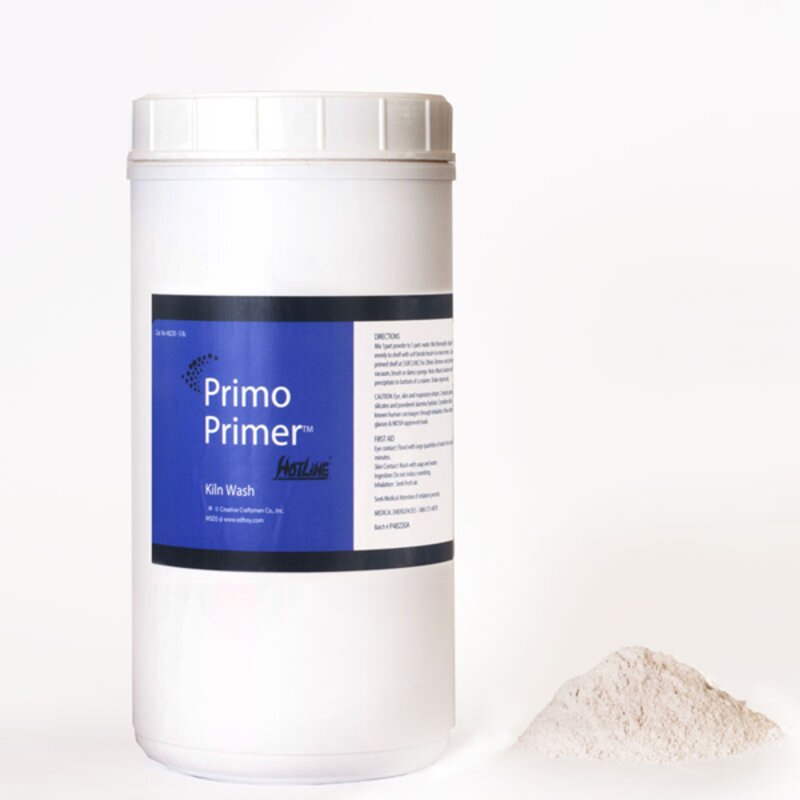
Using kiln wash for glass is a crucial step in the fusing and slumping process. However, many artists and crafters make common mistakes that can lead to costly repairs, wasted time, and ruined pieces. In this article, we will explore some of the most common mistakes to avoid when using kiln wash for glass.
Insufficient Preparation
Before applying kiln wash, it is essential to ensure that your kiln is properly prepared. This includes cleaning the kiln shelves and making sure the kiln is at the correct temperature. If the kiln is not properly prepared, the kiln wash may not adhere correctly, leading to uneven heating and potentially causing the glass to crack or break.
To avoid this mistake, discover expert strategies here on how to properly prepare your kiln for use with kiln wash. A well-prepared kiln is crucial for achieving consistent and professional results.
Kiln Wash Application
One of the most common mistakes made when using kiln wash is applying it incorrectly. This can include applying too much kiln wash, which can lead to a thick, uneven layer that can cause the glass to melt unevenly. On the other hand, applying too little kiln wash can result in a thin, ineffective layer that does not provide sufficient protection for the glass.
To avoid this mistake, learn about our tailored solutions for applying kiln wash correctly. A thin, even layer of kiln wash is essential for achieving the best results.
Temperature Control
Temperature control is critical when using kiln wash for glass. If the temperature is not controlled correctly, the kiln wash may not melt evenly, leading to uneven heating and potentially causing the glass to crack or break.
To avoid this mistake, explore advanced guides and tips on how to control temperature when using kiln wash. A consistent temperature is essential for achieving professional results.
Post-Firing Cleanup
After firing, it is essential to clean the kiln shelves and remove any remaining kiln wash. If this is not done correctly, the kiln wash can build up over time, leading to uneven heating and potentially causing the glass to crack or break.
To avoid this mistake, find out more about this approach to post-firing cleanup. A clean kiln is essential for maintaining consistent and professional results.
Conclusion
Using kiln wash for glass requires attention to detail and a thorough understanding of the process. By avoiding common mistakes such as insufficient preparation, incorrect kiln wash application, and poor temperature control, you can achieve professional results and enjoy a successful glass-fusing or slumping project. Remember to always follow the manufacturer’s instructions for the specific kiln wash you are using, and don’t hesitate to seek guidance if you are unsure about any aspect of the process.
For more information on kiln wash and how to use it effectively, explore the resources available on the web, such as Discover expert strategies here. By taking the time to learn and understand the process, you can achieve stunning results and enjoy a lifelong passion for glass art.